
Unveiling the psychology behind casino games
The Allure of Chance and Risk
The thrill of gambling is deeply rooted in the human psyche, largely due to the inherent allure of chance and risk. Many individuals are drawn to the excitement of not knowing whether they will win or lose. This unpredictability activates the brain’s reward system, releasing dopamine, a neurotransmitter associated with pleasure and reinforcement. When players experience wins, however small, their brains reward them with a rush of satisfaction, making them more likely to return for another round in hopes of replicating that euphoria. For those looking to explore this thrilling world, an online casino accepting neosurf offers a convenient way to engage with various games. This cycle of reward and anticipation creates a compelling draw that keeps players engaged.
This attraction to risk can also be linked to the concept of loss aversion, where the fear of losing something is more powerful than the potential to gain. Players often chase their losses in an attempt to reclaim what they have lost, which can lead to more significant financial risks. This psychological factor plays a significant role in the strategies players employ, often blinding them to the negative aspects of continuous play and compounding losses. The tendency to focus on potential losses rather than wins can create a cycle of gambling that is difficult to break.
Moreover, the design of casino games intentionally incorporates elements that exploit psychological triggers. Bright lights, sounds, and strategically placed machines create an immersive environment that heightens emotional engagement. The adrenaline rush from a near win can further compel players to continue, even when rational decision-making suggests that they should stop. Casinos utilize these psychological insights to ensure that players remain engaged and entertained, increasing the likelihood of continued patronage. This manipulation of the environment is a crucial aspect of the gaming experience, further enhancing the allure of chance.
The Social Environment of Gambling
The social dynamics within a casino setting contribute significantly to the overall gambling experience. Humans are inherently social beings, and the presence of others can enhance emotional responses and behaviors. In a crowded casino, players often share wins and losses with fellow gamblers, creating a sense of camaraderie and community. This social interaction reinforces individual experiences, making gambling not just a solitary activity but a shared event that amplifies excitement and enjoyment. The collective energy can transform a simple game into a communal celebration, heightening the stakes.
Many players seek the approval and encouragement of those around them, which can influence betting behavior. Social cues, such as cheers from peers when someone wins, can elevate the perceived stakes and excitement for everyone involved. The shared emotion can lead individuals to make bolder bets than they might normally consider when playing alone. In this way, the social environment serves as both a motivator and a regulator of gambling behaviors. The cheering and collective atmosphere can create a feedback loop that enhances the thrill of the game.

Additionally, the role of social media in modern gambling cannot be overlooked. With the rise of online casinos and virtual gaming communities, players now have the ability to connect with others globally. This online interaction fosters discussion, strategic sharing, and communal experiences, further enhancing the appeal of gambling. As players engage with friends or communities online, the dynamics observed in physical casinos expand into digital realms, perpetuating the cycle of excitement and participation. These virtual connections can also create a sense of accountability among players, influencing their gambling choices.
Psychological Traps in Game Design
Casino games are meticulously designed to maximize engagement and drive continued play. Game developers work with psychologists to embed various elements that appeal to players’ emotions and cognitive biases. For instance, many slot machines employ near-miss scenarios, where players come close to winning but ultimately do not. These near-misses can create a false sense of hope, encouraging players to keep trying in pursuit of that elusive win, which reinforces their investment in the game. This mechanism can lead players to irrationally believe that their next attempt will be successful.
Another example of psychological trapping is the concept of variable reinforcement schedules. Unlike predictable rewards, a variable schedule offers reinforcement at unpredictable intervals, which has been shown to keep players engaged longer. This concept explains why players may spend hours on a single game; the anticipation of an impending win keeps them playing, often despite prolonged periods of loss. The uncertainty of when a reward will come can be more compelling than the reward itself, leading to extended gambling sessions that can be detrimental to one’s finances.
The visual and auditory cues used in games further enhance this psychological manipulation. Bright colors, engaging sounds, and celebratory animations when players win create a euphoric atmosphere that keeps players hooked. By continually rewarding players with these stimuli, even minor victories are exaggerated, leading to increased playtime and, consequently, increased revenue for casinos. The effectiveness of these designs speaks to the powerful influence of psychological principles in the gaming industry, as they are crafted to optimize player engagement and retention.
The Influence of Personal Psychology
Personal psychology plays a crucial role in how individuals approach gambling. A player’s background, personality traits, and life experiences can significantly influence their gambling behavior. For instance, those who exhibit higher levels of impulsivity or sensation-seeking may be more inclined to engage in risky gambling behaviors. Understanding these traits allows casinos to tailor experiences that resonate with different types of players, creating an environment that caters to individual preferences while enhancing engagement.
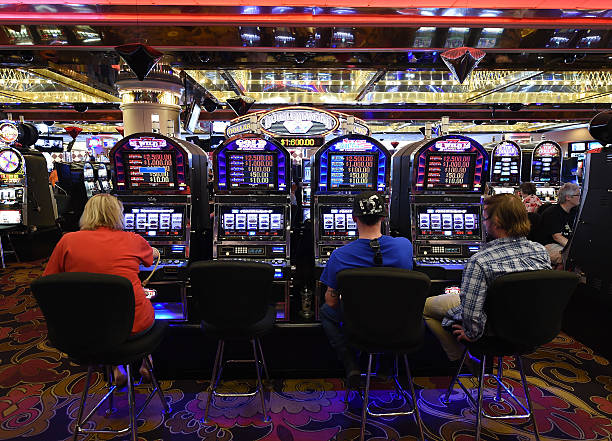
Furthermore, cognitive biases, such as the gambler’s fallacy, can skew a player’s perception of odds and outcomes. Many players believe that past outcomes can influence future results, leading them to make irrational betting decisions. For example, if a player observes a particular slot machine has not paid out in a while, they may incorrectly assume that it is “due” for a win. This fallacy encourages continued play, even when probabilities remain unchanged. Awareness of these biases is essential for both players and casino operators to promote responsible gaming.
The psychological impact of gambling can also extend beyond the casino. For some, gambling may provide an escape from daily stresses or mental health challenges, such as anxiety or depression. This reliance on gambling as a coping mechanism can lead to problematic behaviors and addiction. Understanding the personal motivations behind why individuals gamble is crucial for addressing responsible gaming practices and providing support to those who may be struggling. The intersection of personal psychology and gambling behaviors underscores the need for awareness and education.
Exploring Further: Responsible Gaming and Resources
As the psychological intricacies of gambling become clearer, the importance of responsible gaming grows. Understanding the psychological triggers that drive individuals to gamble can lead to better practices that promote healthier decisions. Casinos and gaming establishments now emphasize the importance of setting limits and recognizing signs of problematic behavior. These resources aim to empower players to make informed choices rather than be swayed solely by the thrill of the game. This proactive approach can help mitigate the potential harms associated with gambling.
Various organizations offer support and resources for individuals who may need help with gambling-related issues. Educational campaigns are often implemented to raise awareness about the risks and promote self-exclusion options for those who wish to take a break from gambling. These initiatives help mitigate the negative effects that gambling can have on individuals and their families, fostering a healthier relationship with gaming. By providing access to information and resources, these organizations play a crucial role in promoting responsible gambling.
As technology continues to evolve, online support systems and resources are becoming more prevalent. Websites dedicated to responsible gaming provide invaluable tools for players to evaluate their behavior, understand their motivations, and seek help if needed. By encouraging players to engage in self-reflection and practice responsible gambling, the gaming industry can cultivate a more sustainable environment that prioritizes player welfare while still allowing for enjoyment of casino games. This shift towards responsible gaming is essential for the long-term health of players and the industry itself.

